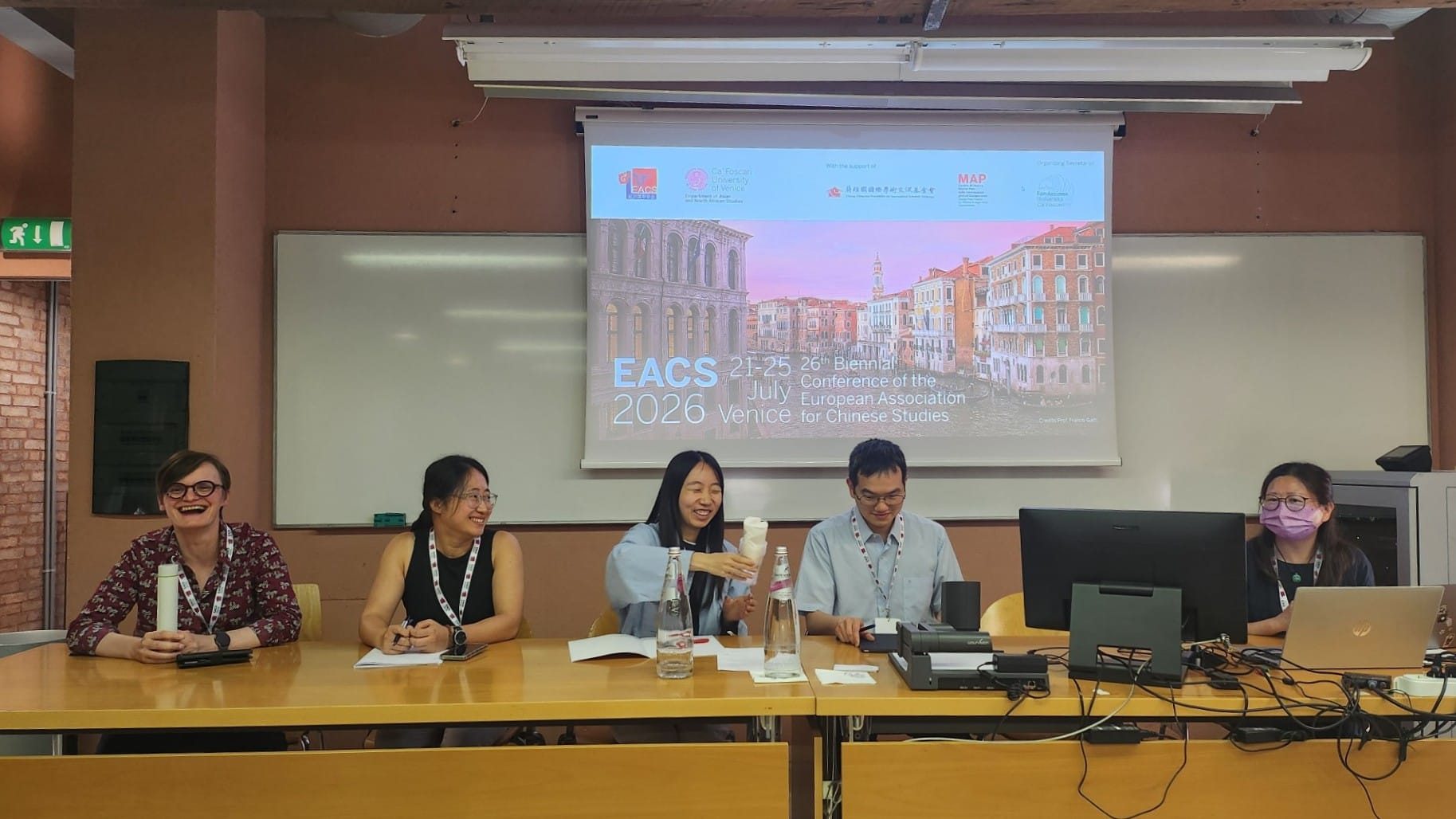
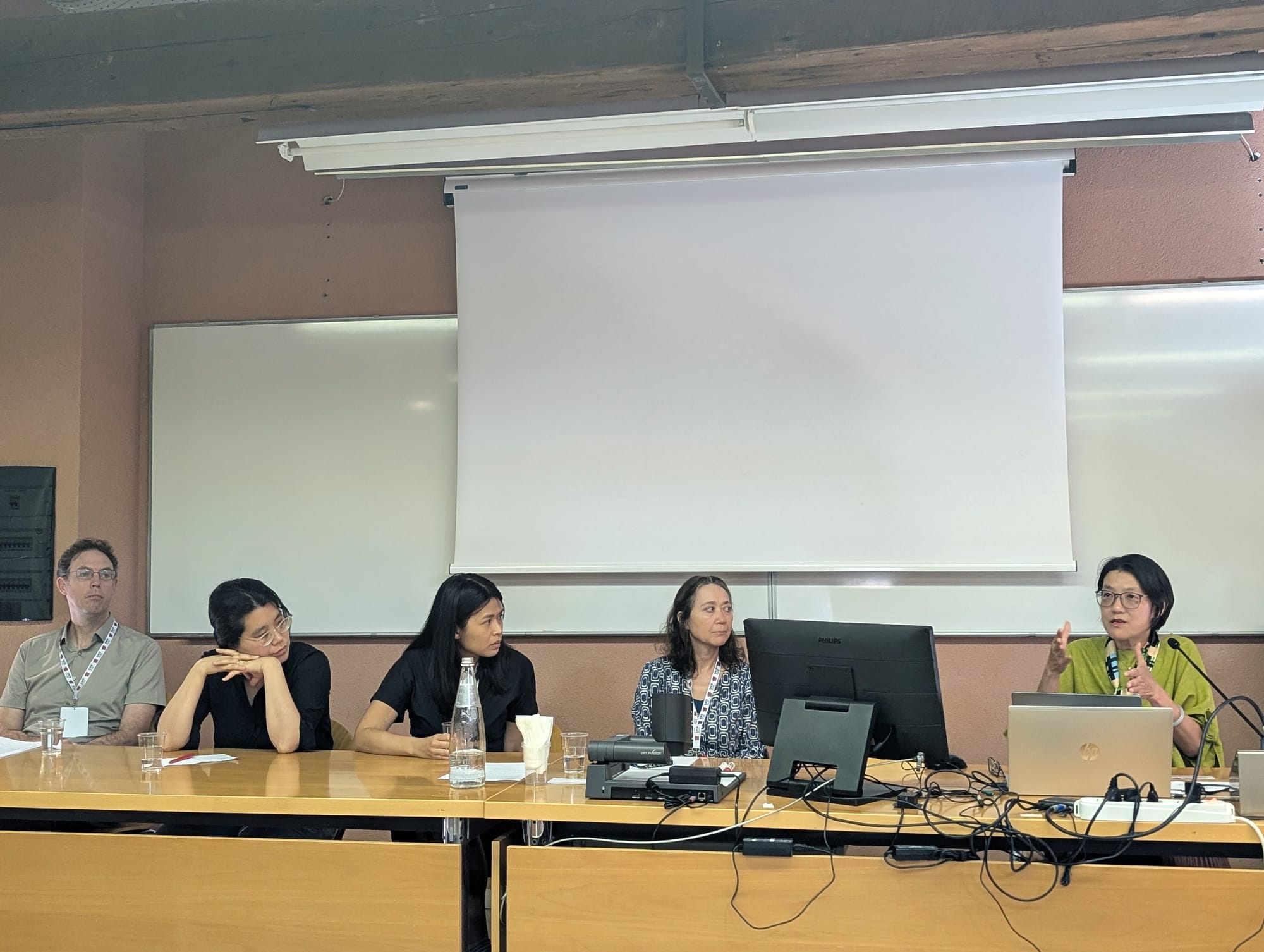
On July 25, the RegInfra and InfraLives team presented a double panel titled "New Perspectives on Chinese Infrastructural History: Locating Infrastructures across Cartographic, Literary, Reporting and Commemorative Multi-Media Genres" at the EACS conference 2026 in Venice.
In this double panel we aim to bring together scholars of Chinese fiction, travel writing, cartography, epigraphy, and historical writing to discuss early modern Chinese and, to some extent, European conceptual histories and discourses of what we now call infrastructures. This double panel consists of two parts, with the first part focused on the comparison of the conceptualization of walls, roads, bridges, and other infrastructures across different media and in distinct genres in which infrastructures have had a distinct albeit all-too-often ignored visibility. The second part focuses on the social, economic, and environmental history of infrastructural repair and disrepair, comprising an explanation of the design and the results of a longue-durée history of infrastructural renovation and its commemoration, and an analysis of the causes given for infrastructural events including construction and renovation as well as destruction and the failure of planned projects.
The presenters engage with critical infrastructure studies, exploring and expanding key questions that have emerged in debates surrounding the infrastructure turn including the conceptualization of public works vs infrastructure, the socially constructed nature of the visibility and the invisibility of infrastructures, the expression of social relations and power dynamics at different scales in the construction, renovation and commemoration of infrastructural projects, and practices of place-making at various scales. They will also discuss digital and analog methods for bringing text, material and visual objects into productive dialogue.
Presentations:
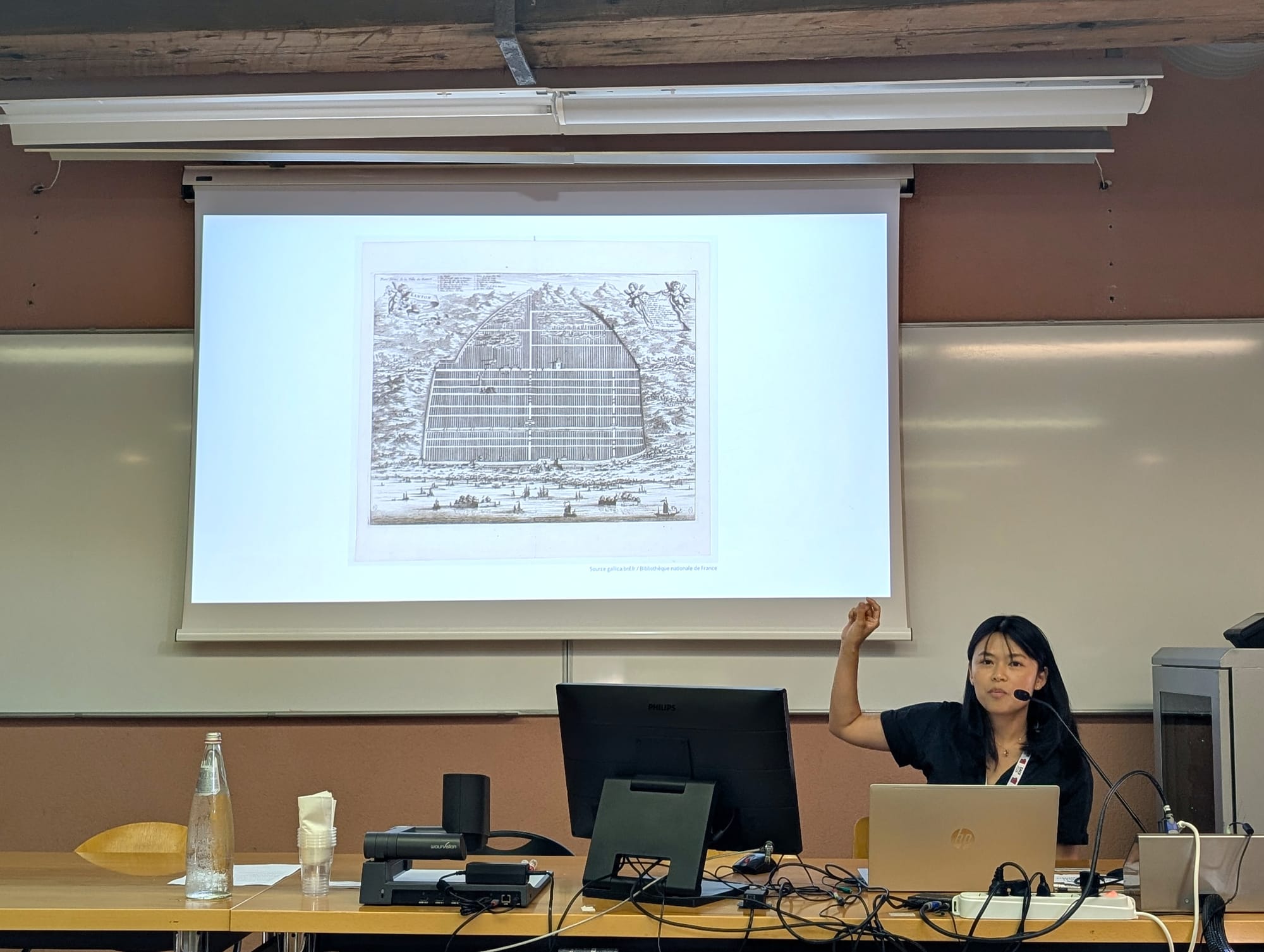
- Emily Teo (KU Leuven), “Very Great and Mightily Walled”: Late Imperial Material Infrastructure and their Textual Construction in Travel Accounts
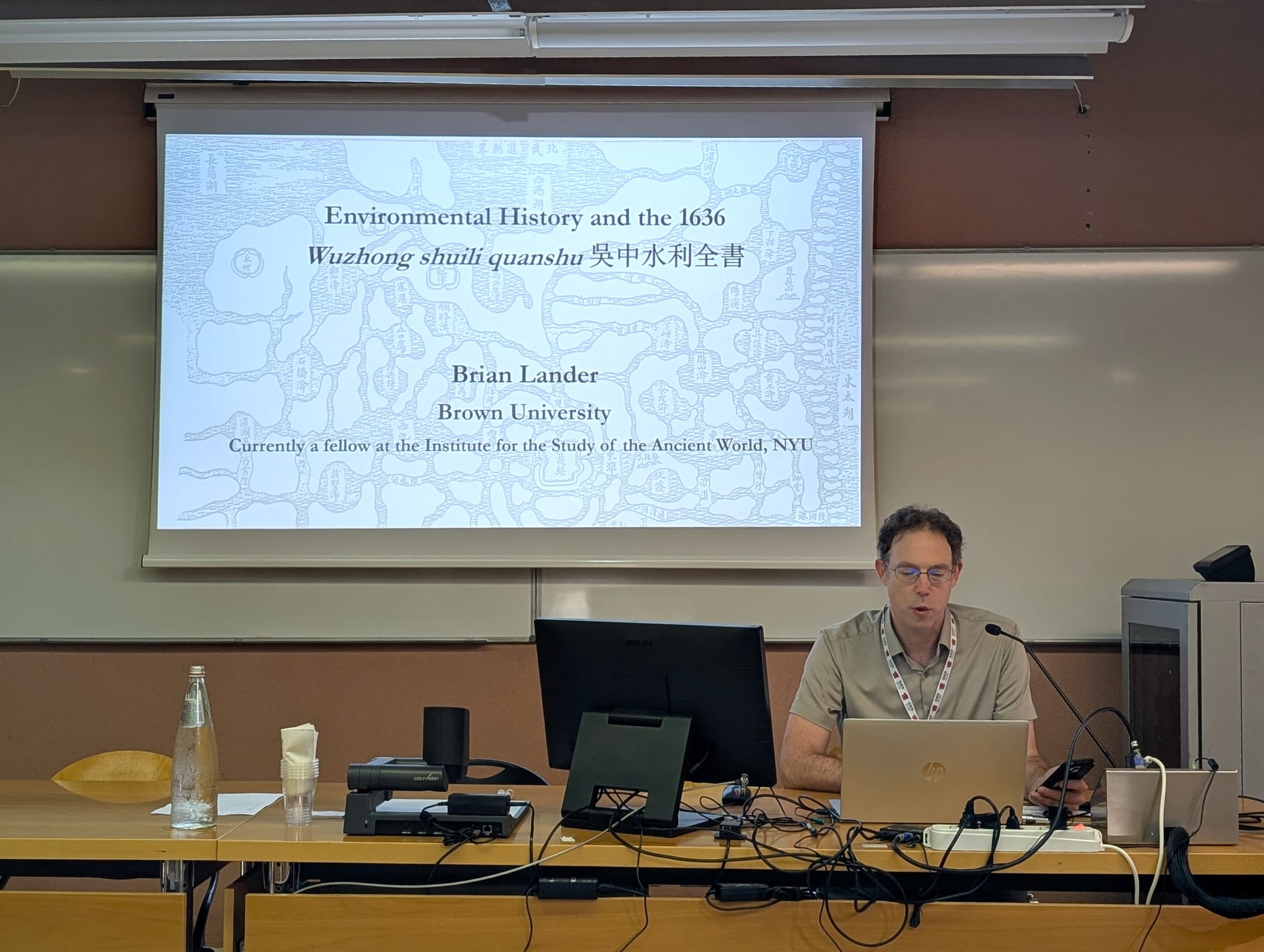
- Brian Lander (Brown University), Environmental history in the 1636 Complete Book on Water Conservancy in Wu
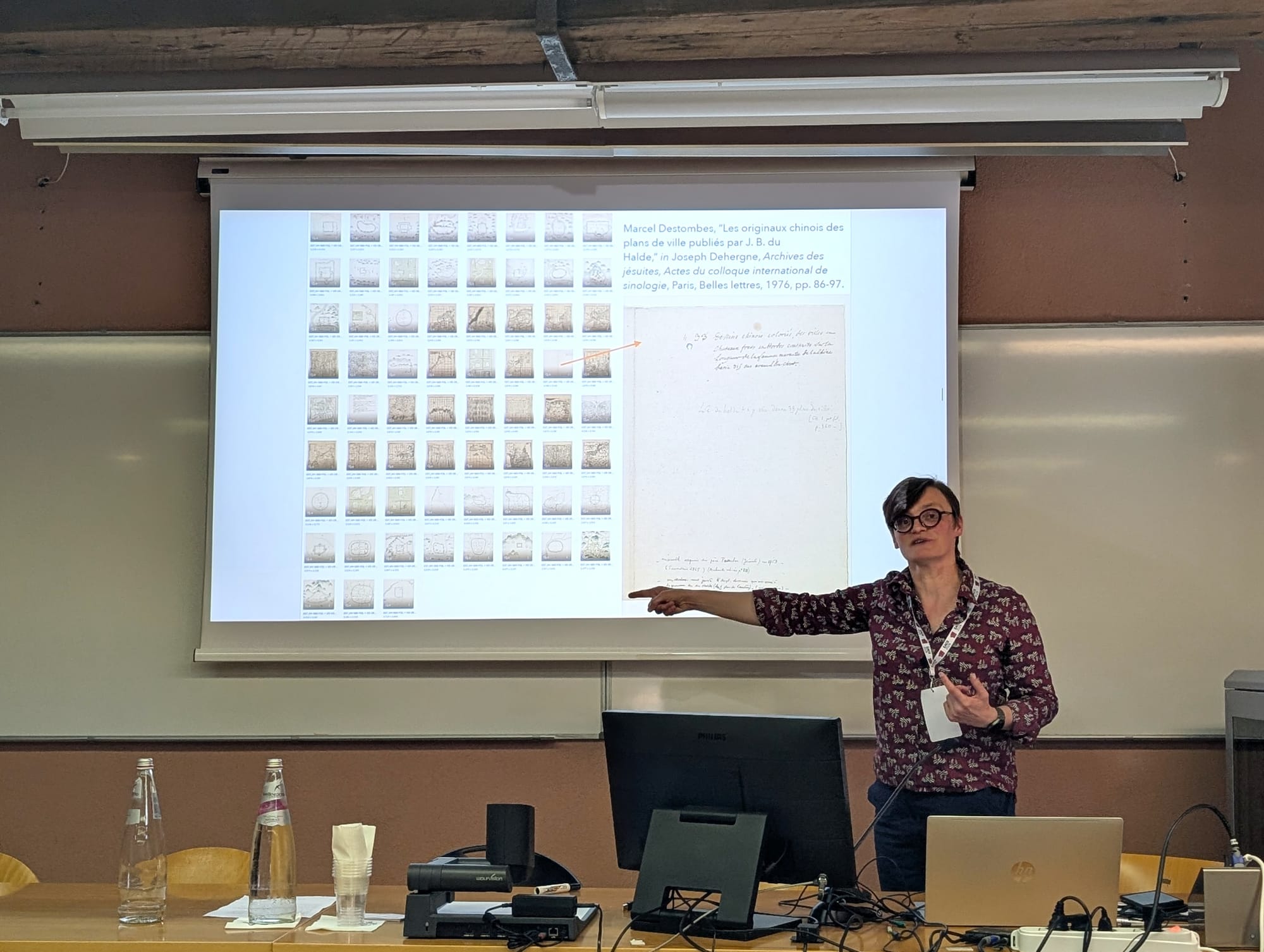
- Sunkyu Lee (KU Leuven), Visualizing City Walls and Material Changes in Late Imperial China
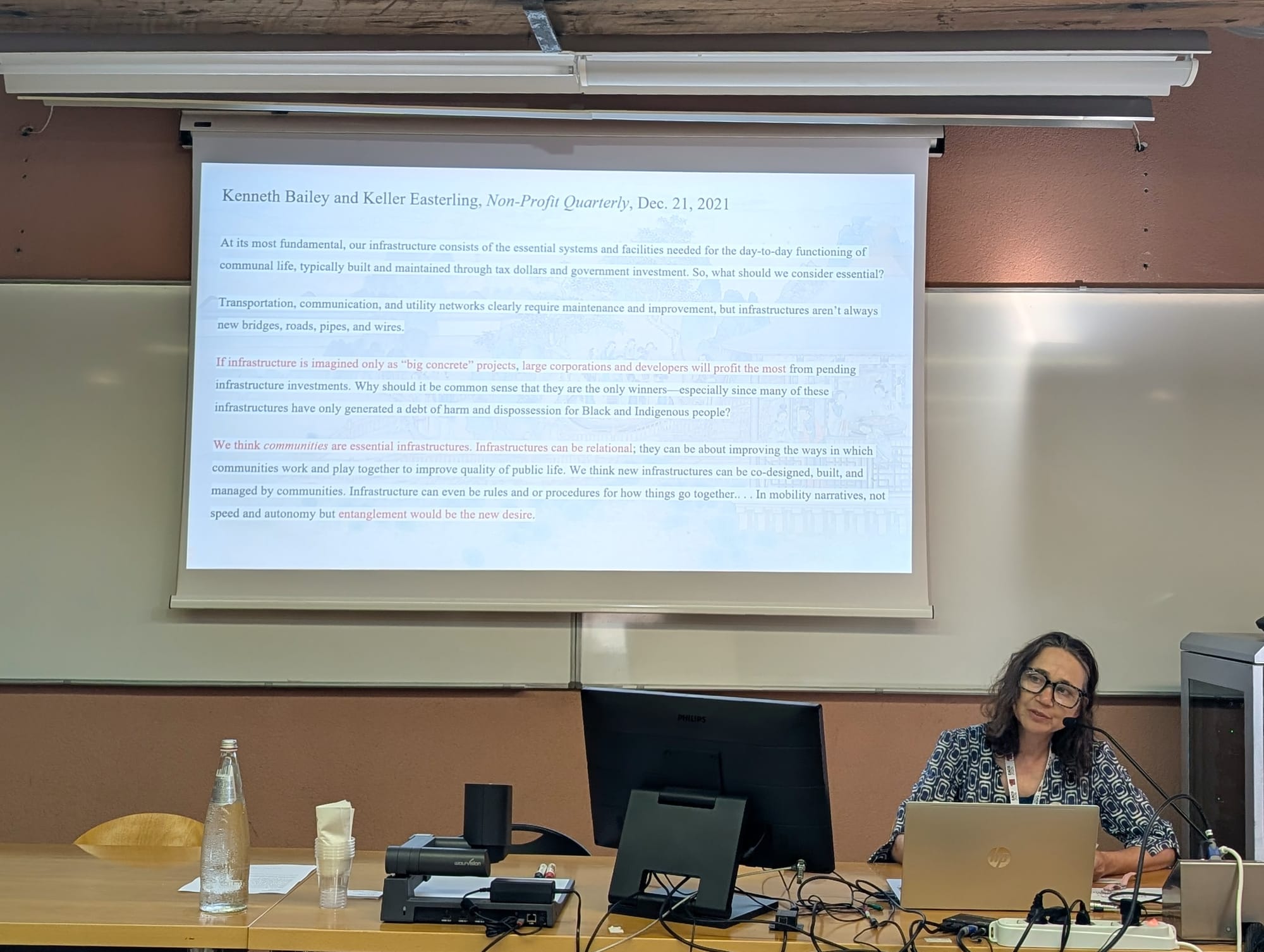
- Sophie Volpp (UC Berkeley), Infrastructure in The Story of the Stone and in Fiction Commentary
- Hilde De Weerdt (KU Leuven), Comparing Social and State Investment in Local Infrastructure and Its Commemoration in Late Imperial Chinese History
- Dawn Zhuang (KU Leuven), From Source Alignment to Linked Data: Ontologies and Data Models for Chinese Infrastructural History
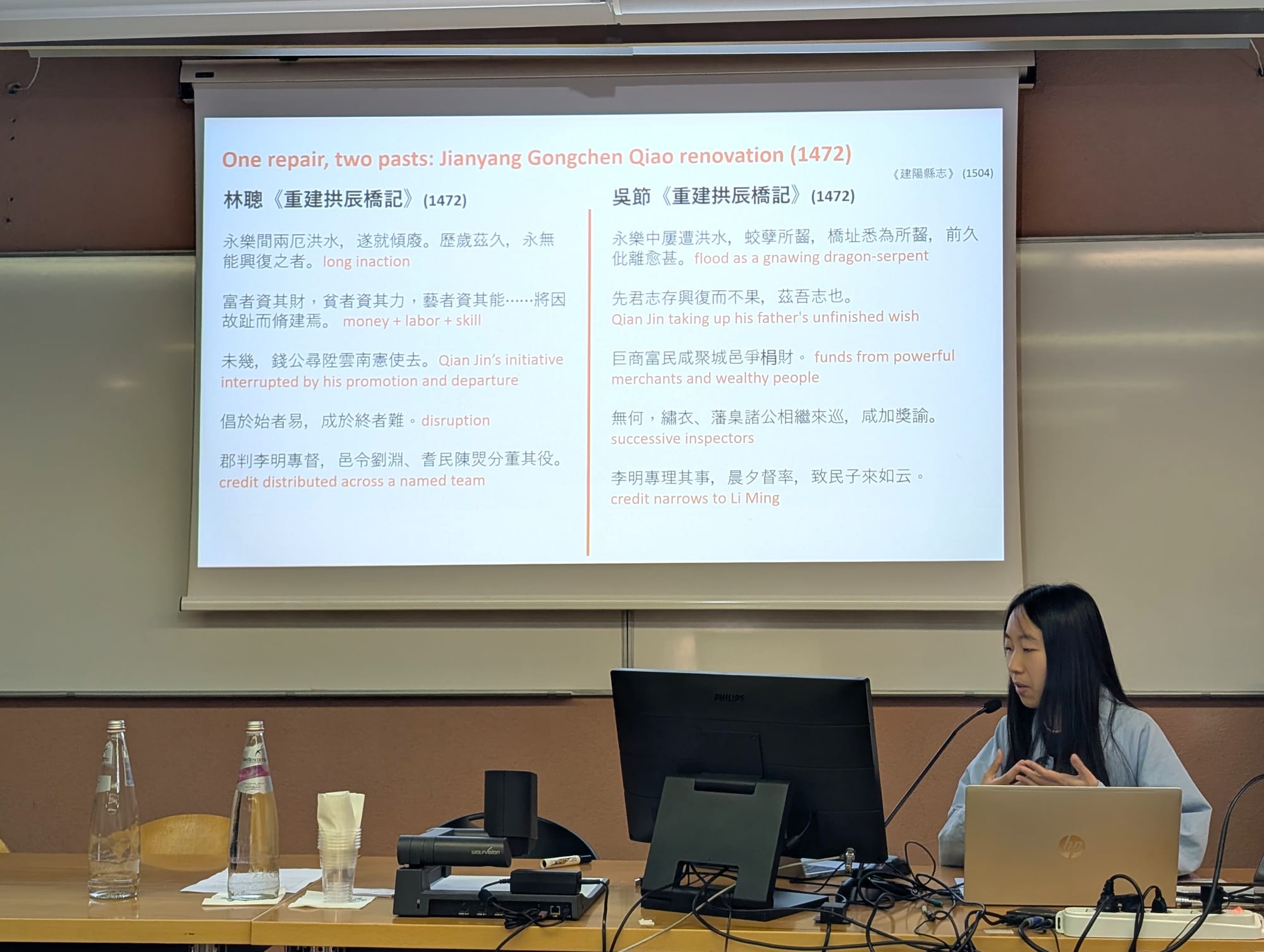
- Wangzhi Xi (KU Leuven), Mapping Infrastructure Events: Retrospective Framing and the Present Intervention in Commemorative Inscriptions from Late Imperial China
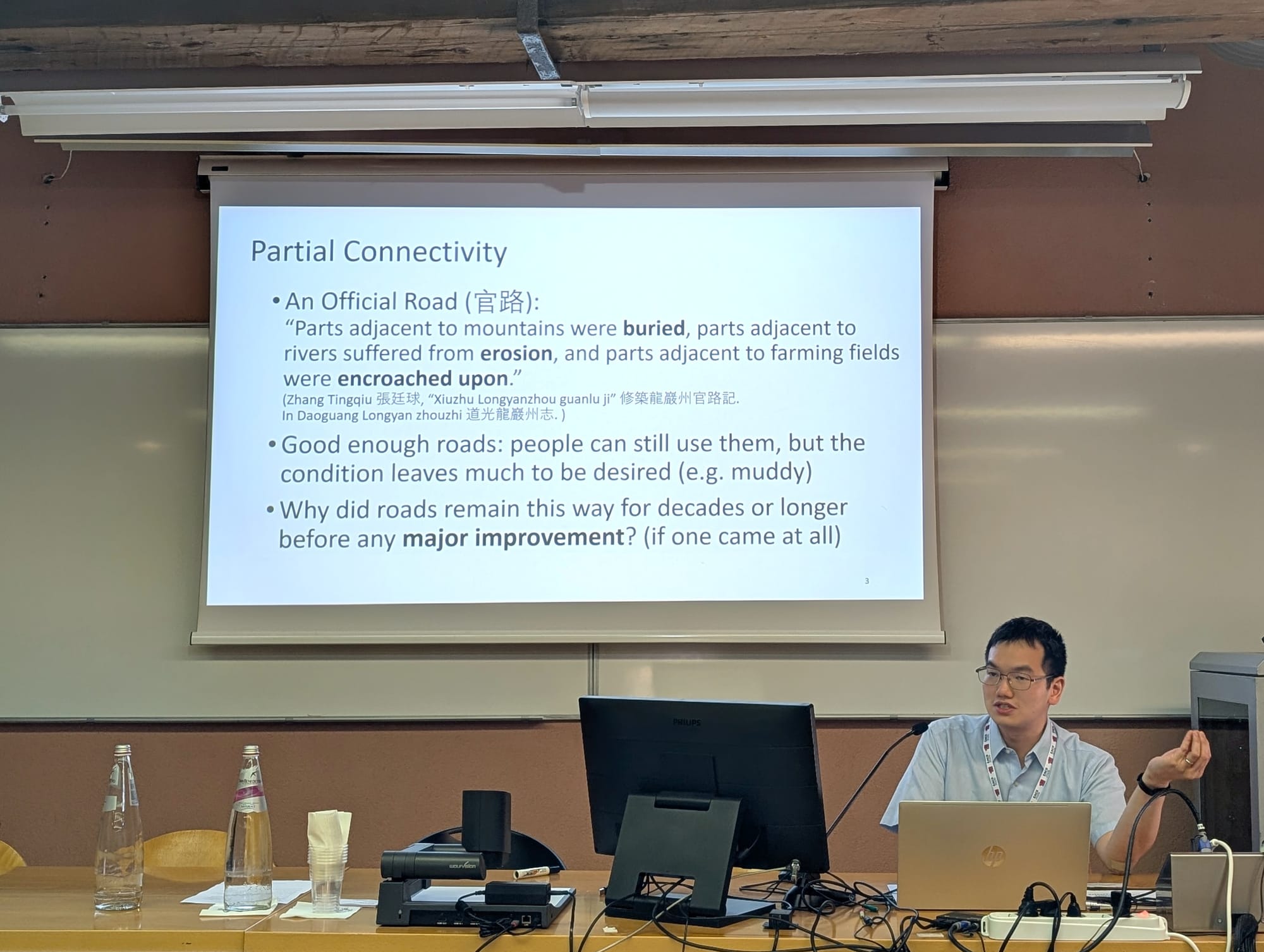
- Yuan-Heng Mao (IISH, Amsterdam), Partial Connectivity: Road Projects and Fragile Linkages in Ming and Qing China
Chair: Hilde De Weerdt (KU Leuven)
Discussant: Si-Yen Fei (University of Pennsylvania), Shih-Pei Chen (Max Planck Institute for the History of Science)